


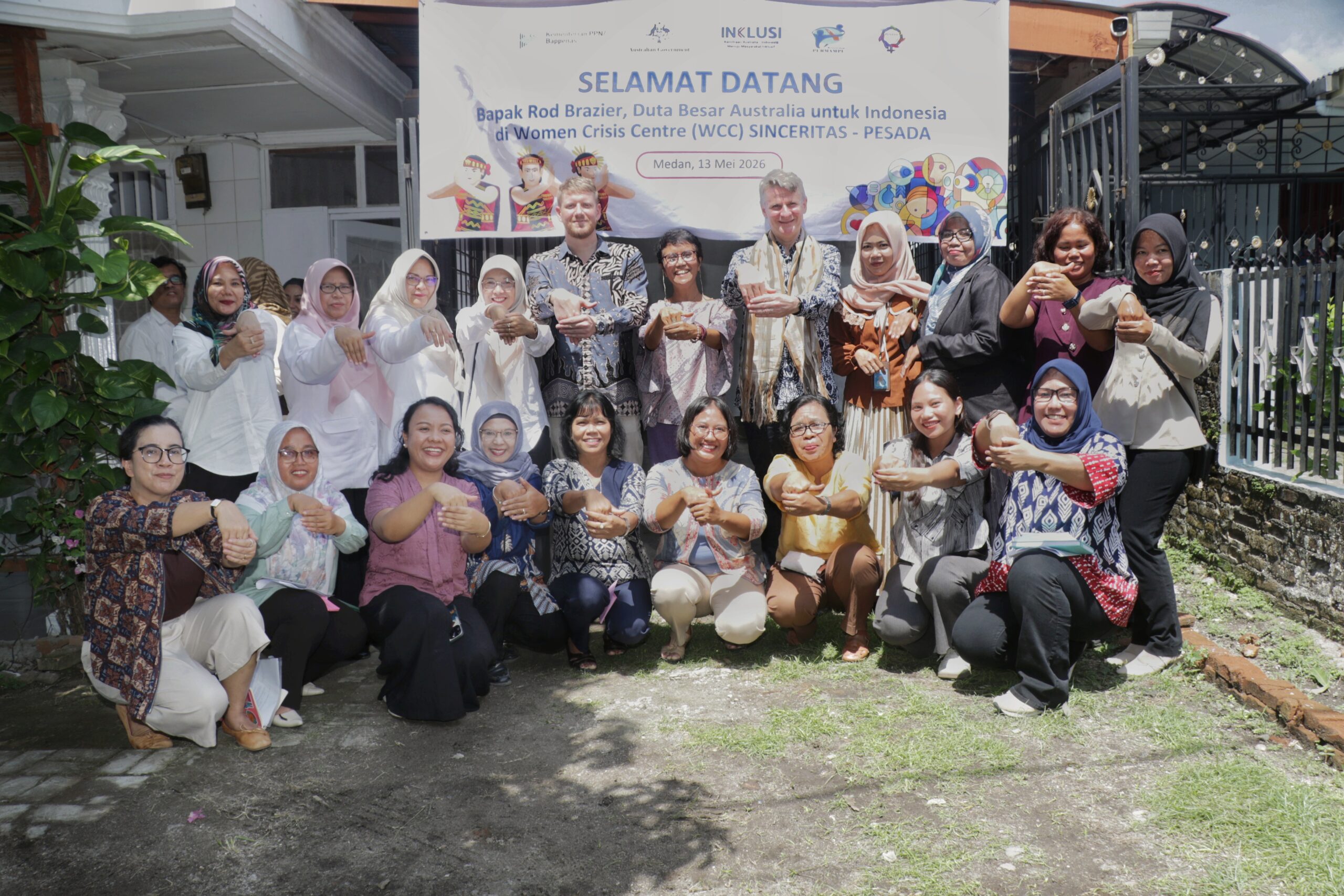
Medan, 13 May 2026 — Australian Ambassador to Indonesia Rod Brazier today visited the PERMAMPU-PESADA office and Women’s Crisis Centre (WCC) Sinceritas in Medan, North Sumatra, to learn more about the work of civil society organisations in strengthening women’s protection, preventing gender-based violence, and expanding inclusive services for women and vulnerable groups.
Through the Australia–Indonesia Partnership Towards an Inclusive Society (INKLUSI), the Australian Government supports civil society organisations in Indonesia to advance gender equality, disability rights, and social inclusion. One of these organisations is the Women of Sumatra MAMPU Consortium (PERMAMPU), which works to strengthen grassroots women’s leadership, expand access to sexual and reproductive health services, promote women’s economic independence, and prevent violence against women and children, including child marriage.
PERMAMPU works in eight provinces and 24 districts/cities across Sumatra with eight consortium members. In North Sumatra, PERMAMPU’s work is implemented through PESADA (Perkumpulan Sada Ahmo) in six districts/cities: Medan City, Langkat District, Nias District, West Nias District, North Nias District, and South Nias District.
During the visit, Ambassador Brazier toured the case service facilities at WCC Sinceritas and held discussions with representatives of PERMAMPU-PESADA, One Stop Service and Learning (OSS&L) cadres, representatives of the Regional Technical Implementation Unit for the Protection of Women and Children (UPTD PPA), the Women and Children Services Unit (UPPA) of the police, and PERMAMPU’s disaster response team.
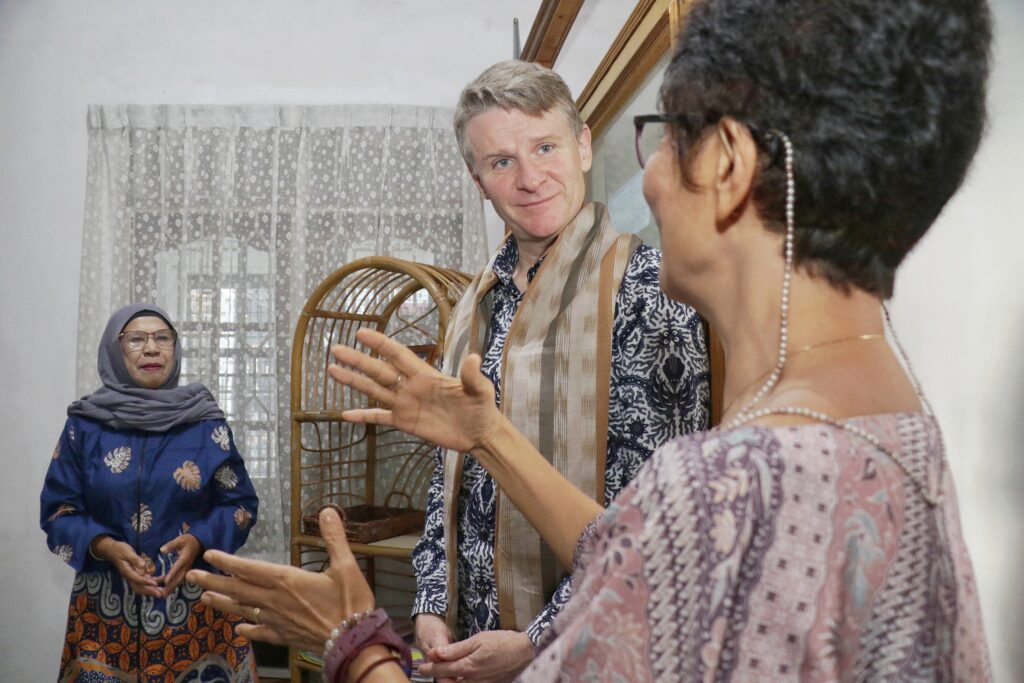
WCC Sinceritas is a division of PESADA that focuses on preventing and responding to gender-based violence. Its services include assistance for survivors of domestic violence, sexual violence, and other forms of violence against women and children. WCC Sinceritas also undertakes advocacy to strengthen legal protection, including the implementation of the Law on Sexual Violence Crimes (UU TPKS).
“Programs like PERMAMPU show that cross-sector collaboration can drive real change, particularly in women’s empowerment and the protection of women and children. The Indonesia–Australia partnership through INKLUSI is one concrete expression of our shared commitment to fairer and more inclusive development,” said Rod Brazier.
One of PERMAMPU-PESADA’s key approaches is the Puskesmas-based OSS&L service, which enables women and survivors of violence to access information, counselling, and referrals based on their needs. As of 2026, PERMAMPU has initiated 31 OSS&L services across eight provinces, including six in North Sumatra.
PERMAMPU Coordinator Dina Lumbantobing emphasised that women’s protection requires a comprehensive approach, from case services to community strengthening.
“For us, women’s protection cannot stop at case services. It is equally important to build women’s leadership, strengthen community networks, and encourage changes in policies and social norms so that violence can be prevented from the outset,” said Dina.
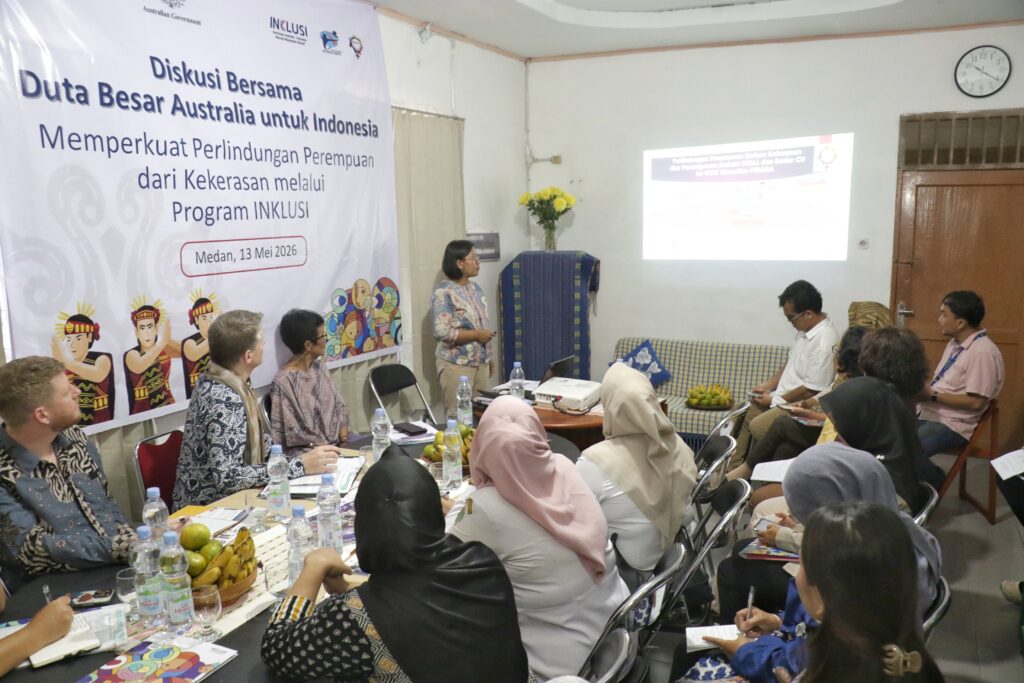
In addition to its work on gender-based violence and child marriage prevention, PERMAMPU-PESADA has also been involved in the response to hydrometeorological disasters in Central Tapanuli, Sibolga, and Langkat. This response includes GEDSI-informed needs assessments, food distribution, dignity kits or basic hygiene and sanitation packages, counselling, child-friendly spaces, and health checks.
This approach helps ensure that the needs of women, children, persons with disabilities, older people, and other vulnerable groups are not overlooked during emergency response and recovery. In disaster situations, access to basic services, protection, information, and safe spaces is an essential part of an inclusive response.
The visit highlighted the importance of collaboration among civil society organisations, government, law enforcement agencies, service providers, and communities in strengthening women’s protection. Through INKLUSI, Australia and Indonesia continue to work together to support civil society, expand access to services for marginalised groups, and promote more equal and inclusive development for all.