
For children at Yogyakarta juvenile correctional facility (LPKA), preparing to return home means more than completing their time at the institution. It also means building confidence, strengthening family relationships and knowing they have support as they rejoin their communities.
Oemah Konseling helps children in conflict with the law and their families prepare for this transition through individual and family counselling. With support from the Australia–Indonesia Partnership Towards an Inclusive Society (INKLUSI), the Indonesian Planned Parenthood Association in Yogyakarta (PKBI DIY) works with LPKA and other partners to provide psychological support and help children and parents communicate more openly.
The service was initially available only to children recognised for their achievements during rehabilitation. Following joint evaluations, PKBI DIY, LPKA and their partners expanded access to all children at the institution, with counselling tailored to each child’s circumstances and family needs.
The change places children’s needs, rather than their achievements, at the centre of decisions about support.
“A child’s recovery cannot be supported by one party alone. That is why we have worked to ensure every child receives support based on their needs, bringing together families, staff and counsellors to help them rebuild confidence and prepare to return home,” said Dessy, INKLUSI Project Officer at PKBI DIY.
Support shaped around each child
Some children need help communicating with their parents. Others need emotional reassurance as they prepare for life after rehabilitation. Understanding their circumstances is the first step towards providing appropriate support.
PKBI DIY conducts individual assessments and home visits to learn about each child’s family circumstances and social environment. LPKA staff, psychologists and counsellors discuss the findings to plan support. Children and their families also participate in a Family Forum before counselling begins.
A joint evaluation in 2026 found that the approach had made the service more targeted and responsive. Children needing more intensive psychological support could receive additional sessions, while those with strong family relationships received support to maintain them.
PKBI DIY also works with academics from Sarjanawiyata Tamansiswa University and Ahmad Dahlan University to improve the management and sharing of assessment information. This helps staff and counsellors understand children’s needs without repeatedly asking them to recount experiences they may find difficult to share.
“Working with PKBI DIY, we can now provide more personalised support based on each child’s needs, rather than their achievements. This helps us better understand children and their families, making our rehabilitation services more responsive,” said Rubiyanta, Head of the Registration and Classification Section at LPKA Class II Yogyakarta.
Helping families prepare for the return home
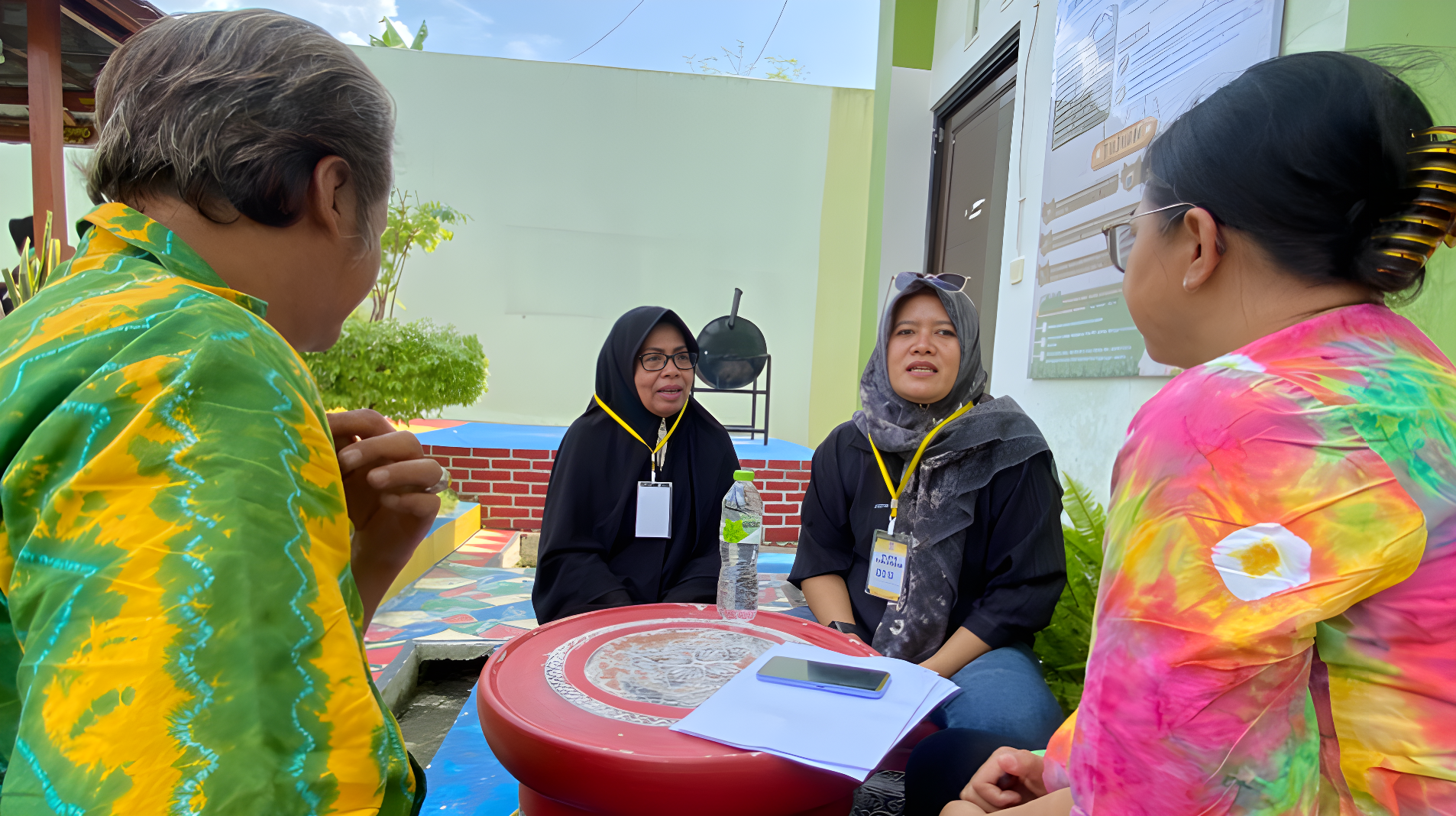
Preparing for life beyond LPKA also involves parents. Oemah Konseling offers them psychological support, while family counselling gives children and parents space to listen to one another, understand each other’s emotional needs and strengthen their relationships.
“Before joining Oemah Konseling, I did not fully understand the support my child needed. Through the counselling sessions, we learned to listen to each other and communicate more openly. I now feel better prepared to support my child when they return home,” said Sularto, a parent of a child at LPKA.
For PKBI DIY, family relationships are central to preparing children for their return home. To help sustain this support, it works with community corrections officers from the Correctional Guidance Office (Bapas) to share counselling recommendations and follow-up plans with families.
An evaluation in early 2026 also found improved coordination between parents and LPKA staff through WhatsApp groups and follow-up activities, helping families stay involved beyond counselling sessions.
These changes bring together PKBI DIY, LPKA, Bapas, universities, psychologists and counsellors. With INKLUSI support, PKBI DIY contributes to planning, assessments, delivery and evaluation, helping connect the people involved in each child’s rehabilitation and return to the community.
The experience in Yogyakarta highlights the importance of continuity: children need support within the institution and families and communities ready to welcome them home. Sustaining that support requires partners to keep working together beyond rehabilitation.
For these children, returning home is more than walking through the door. It is about finding security, trust and support as they take their next steps.