

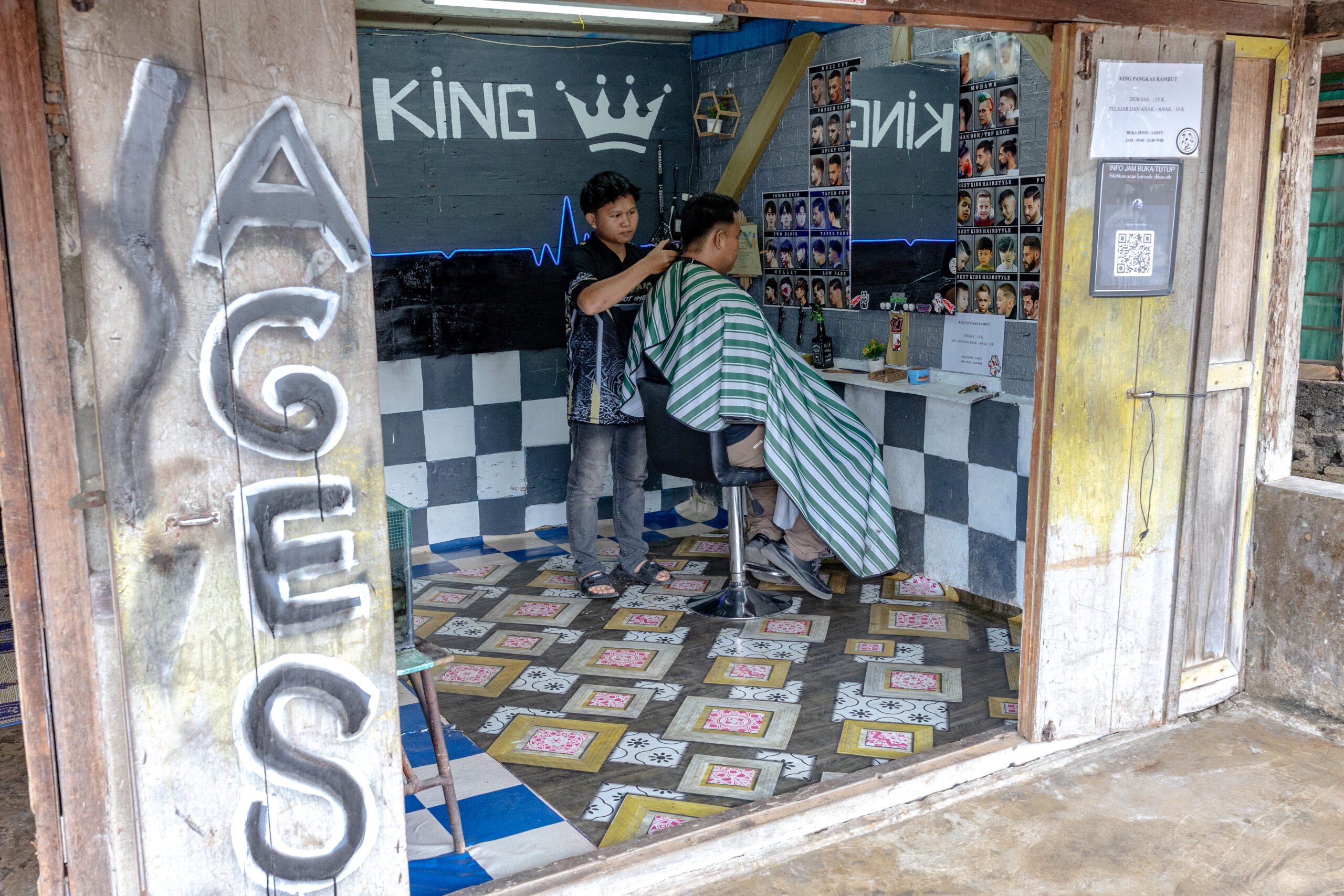
Every child deserves a second chance. That belief lies at the heart of Ages’s story—a former child in conflict with the law (ABH) who now runs a small barbershop with steady hands and a clear sense of purpose. After completing his rehabilitation at the Class II Special Development Institution for Children (LPKA) in Bengkulu, Ages returned to his community with a skill in hand and a dream in mind.
He entered LPKA in 2020 at the age of 17 and was released at the end of 2022. During his time there, he joined a barbering training program supported by the Indonesian Planned Parenthood Association (PKBI) through the INKLUSI Program. It wasn’t just about learning how to cut hair—it was about rebuilding confidence and reimagining his future.
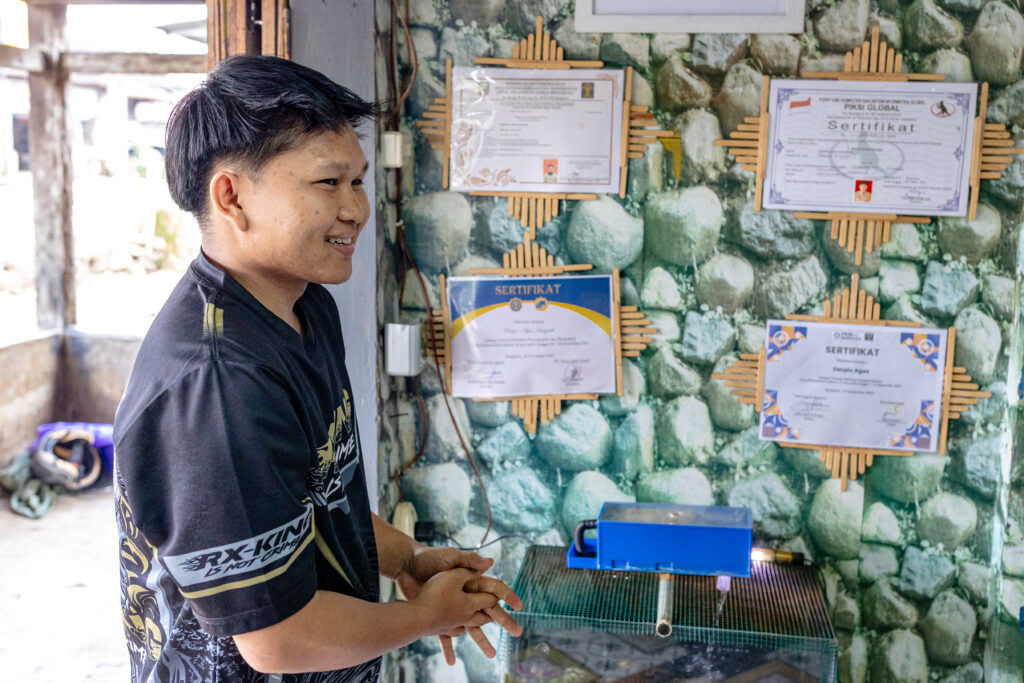
He was trusted to cut the hair of fellow residents and received several certificates in recognition of his skills. With each snip of the scissors, his confidence grew. These small acts of trust laid the foundation for something bigger. When his reintegration process continued at the Probation Office, Ages was already preparing to open his own business: King Barbershop.
From Juvenile Detainee to a Barber with Renewed Confidence
King Barbershop opened in 2023. At first, his customers were mostly neighbors and acquaintances. But word spread, and trust grew. These days, Ages serves more than five clients a day, and during busy seasons like Eid, that number can reach up to 25.
“I learn a lot from social media—especially trending hairstyles. I try to keep up so clients get the best results,” Ages shared, pointing to his catalog of hairstyle references neatly displayed in the shop.
He runs the barbershop alone, relying on social media and word-of-mouth to promote his business. His mother plays a central role—supporting him daily, helping with logistics, and cheering him on every step of the way.
Beyond its economic value, King Barbershop has become a space for connection. Customers don’t just come for haircuts; they stay to talk, to share stories. What was once a boy stigmatized for his past is now a young man earning trust, one customer at a time.
Ages’s journey reminds us that reintegration is not just about survival—it’s about being seen again. His barbershop is more than a source of income; it’s a quiet act of healing between him and the community.
The Quiet Power of Family Support for Former Juvenile
None of this would have been possible, Ages says, without his mother’s support. While in LPKA, they stayed in touch regularly via video calls facilitated by the institution. Those daily conversations kept his spirit alive. He shared his dreams of opening a barbershop, and she listened with unwavering belief.
“Family support is everything. I’m lucky, because not every kid in LPKA has that,” he said.
He knows of many peers who felt lost, unsure where they would go once released. In contrast, Ages came home to a mother who stood by him—not just emotionally, but practically too. She had also gone through her own journey.
The early days of his incarceration were some of the hardest for her. Social stigma, judgment from neighbors, and shame nearly overwhelmed her. But as she began to understand what LPKA offered—structured education, skill-building, and emotional support—she found strength to stand tall.
“I chose not to stay in despair. If you fall down, don’t let others keep you down. Prove yourself through what you create,” she said.
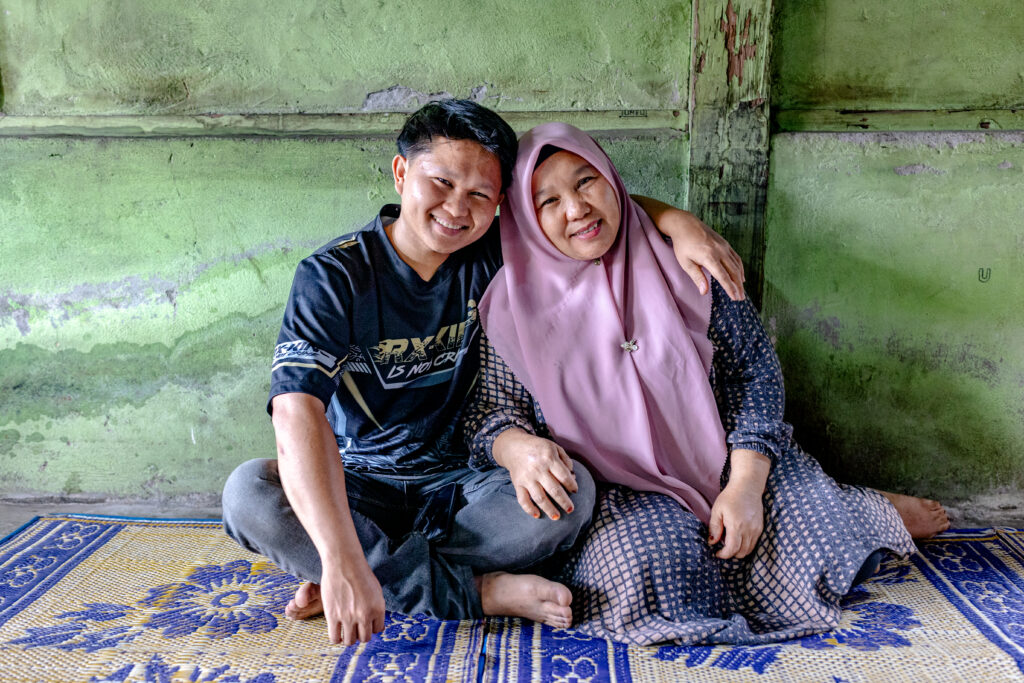
PKBI didn’t just support Ages—it supported his mother, too. Through the ABH Family Forum facilitated by PKBI, she connected with other parents, shared experiences, and learned how best to support her son during and after his time in LPKA. The forum became a space of solidarity, helping her stay strong in the face of stigma while focusing on what truly mattered: her child’s recovery.
Ages’s story is proof that successful reintegration for children in conflict with the law doesn’t happen in isolation. It requires a connected ecosystem: inclusive rehabilitation, family support, and community organizations like PKBI that bridge those worlds.
Through the INKLUSI Program, PKBI is committed to fulfilling the rights of marginalized and vulnerable groups—including children like Ages. This includes access to basic services, social protection, mental health support, and efforts to eliminate discrimination and social exclusion.
King Barbershop may be small, but what it represents is much larger: the chance to return, to grow, and to contribute. It is a reminder that with the right support, no child is beyond hope—and every community can be a part of someone’s second chance.