

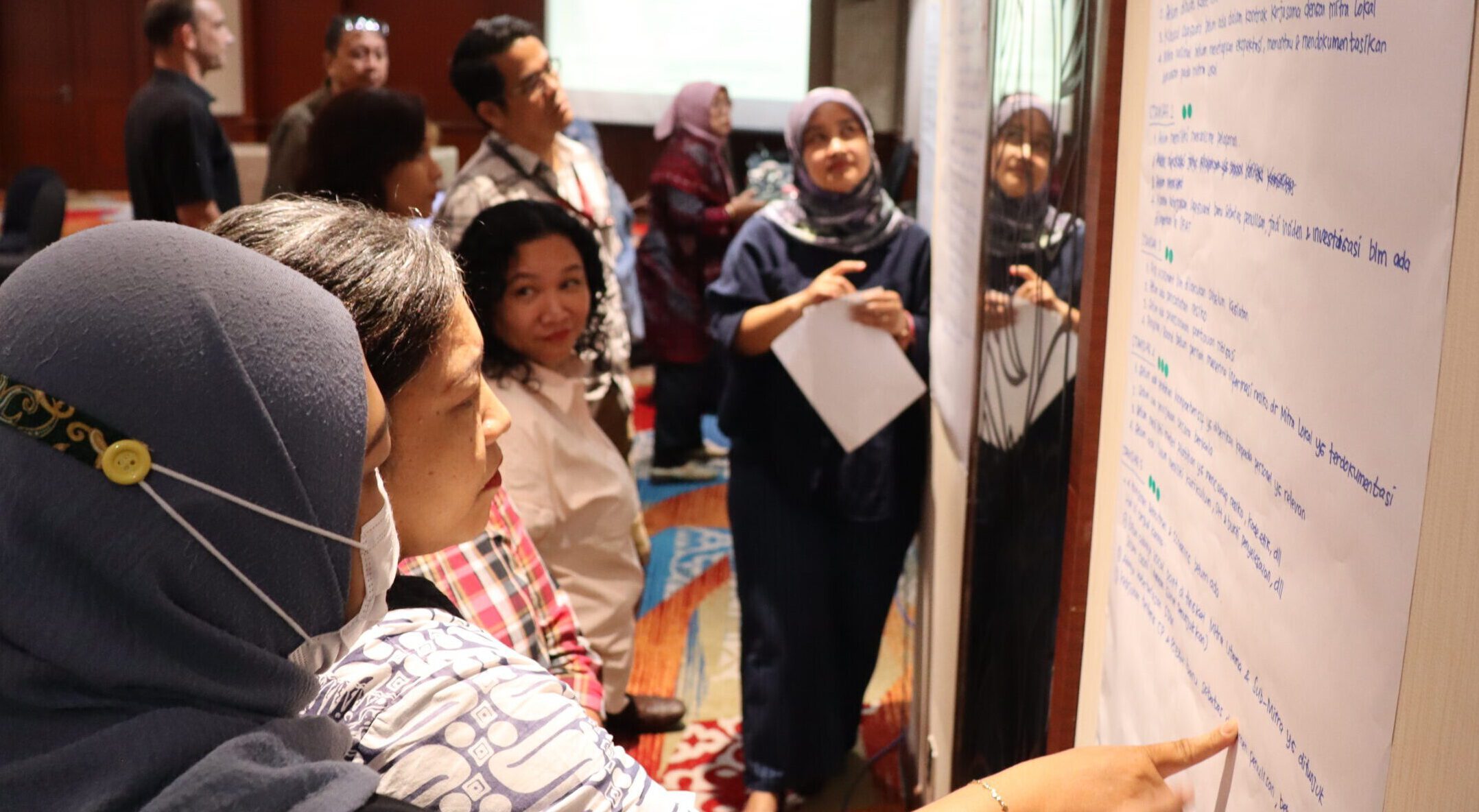
Jakarta, 8–9 July – How can every program activity be delivered safely, responsibly and without placing anyone at risk? One way is through the effective implementation of safeguarding policies and practices to prevent and respond to violence, exploitation, harassment and risks related to financial governance. This was the focus of a workshop convened by INKLUSI with 30 representatives from 10 partner organisations in Jakarta.
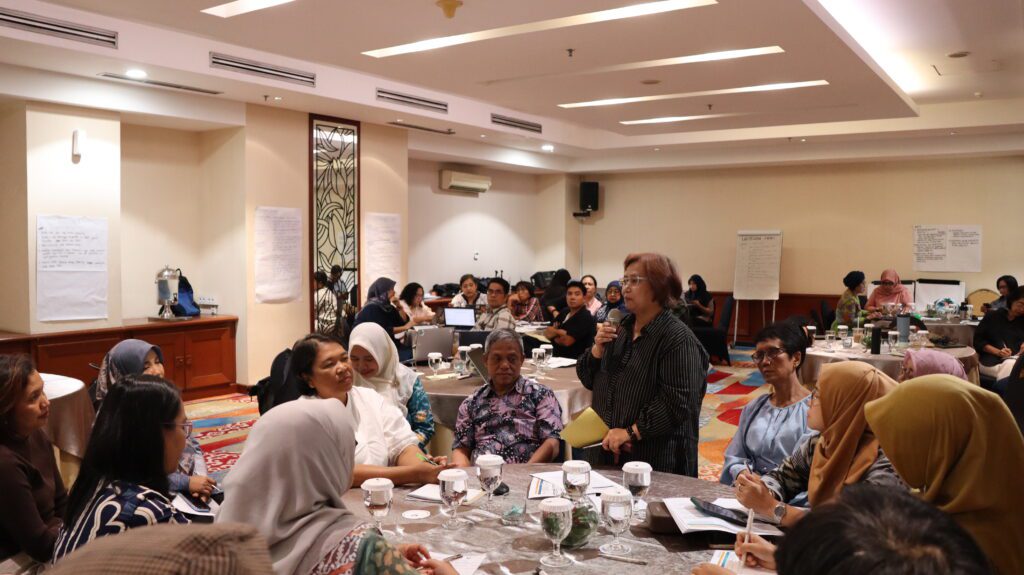
The Workshop on Strengthening Safeguards, SOP Compliance and Financial Governance provided a forum for the INKLUSI Secretariat and partner organisations to deepen their understanding, share experiences and discuss how protection standards can be applied more consistently in their day-to-day work.
As a program that advances gender equality, social inclusion and the rights of people with disabilities through civil society organisations, INKLUSI considers the protection of program participants an essential part of program delivery. All partners are expected to meet standards on Child Protection (CP) and the Prevention of Sexual Exploitation, Abuse and Harassment (PSEAH).
The workshop also followed updates to the Australian Government’s safeguards policies through the Department of Foreign Affairs and Trade (DFAT) in September 2025. It also responded to findings from the Participatory Internal Audit (PIA), which identified the need to strengthen partner capacity in safeguarding and financial governance.
INKLUSI Team Leader Kate Shanahan said the workshop was intended not only to improve understanding of the relevant policies, but also to identify approaches suited to the realities and challenges faced in the field.
“This is an effort to strengthen partners’ understanding of CP and PSEAH policies. We are learning together to identify the most appropriate approaches. DFAT is very open to learning from implementation experiences in the field. Let us work together to find the best ways to respond to the challenges we face,” Kate said.
Over the two days, participants shared good practices and discussed the challenges their organisations face in implementing safeguarding. Partner representatives also explored how to align their standard operating procedures with DFAT standards, design monitoring and evaluation mechanisms, and develop follow-up plans for implementation after the workshop.
Discussions covered a range of situations that may arise when working with children, women, people with disabilities, Indigenous communities and other groups experiencing intersecting vulnerabilities. This enabled participants not only to understand the policy requirements, but also to consider how they should be applied in activity planning, community engagement, complaints handling and program monitoring.
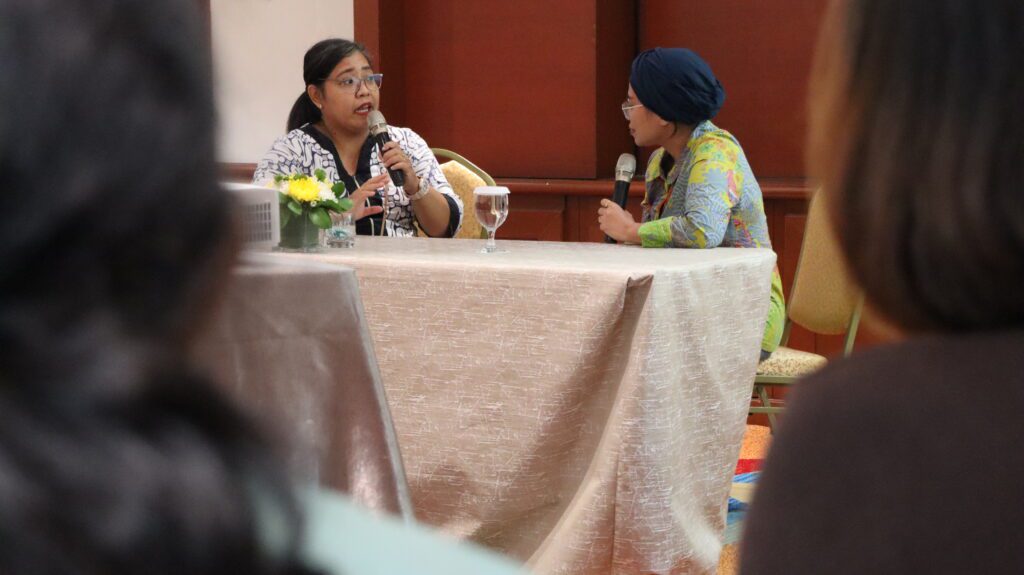
Participants also learned from Australian Volunteers International (AVI) about safeguarding practices adopted by civil society organisations in Indonesia and other countries. These experiences provided useful references for partners reviewing their existing mechanisms and adapting them to their respective operating contexts.

For Tracy Pasaribu, Project Officer at KEMITRAAN, the workshop helped clarify how safeguarding should be embedded throughout every stage of a program, particularly when working with Indigenous communities and other groups experiencing vulnerability, which are a focus of the organisation’s work.
“Previously, I had only read the policies and heard about them during briefings, but I had not fully understood them. After this training, I believe safeguarding must remain front of mind for our entire team, regional partners and field facilitators,” she said.
In addition to protecting program participants, the workshop addressed the need to strengthen financial governance. One issue discussed was how to substantiate activity costs in remote areas, where access and documentation are often limited. Participants explored approaches that uphold accountability while taking into account local conditions and operational challenges.
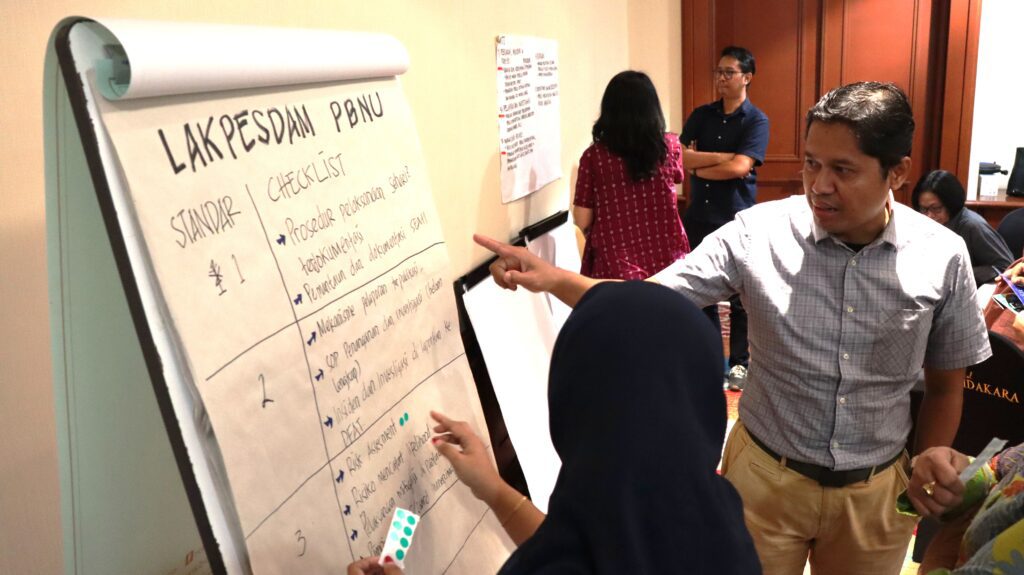
Through the workshop, INKLUSI and its partner organisations reaffirmed that safeguarding is not merely a compliance requirement, but a shared responsibility to ensure that programs are delivered safely and with respect for the rights of every person.
The alignment of SOPs, stronger team capacity and the development of follow-up plans are expected to support safeguarding practices that are more consistent, practical and responsive to the diverse contexts in which partners operate.