
In a small village in Southwest Sumba Regency, East Nusa Tenggara, a major transformation began with something seemingly simple: data collection. Before 2023, persons with disabilities in Kadi Wano Village lived in the shadows of social injustice. They were not recorded in village data, not involved in development planning deliberations, and left out of various social assistance programs. When the Village Fund Cash Transfer (BLT Dana Desa) was distributed, none of their names appeared on the list of beneficiaries.
That began to change in late 2023, when the DIGNITY Program (Disability Inclusion Through Strengthening Local to National Policy and Capacity) was implemented by Yayasan Harapan Sumba (YHS) with support from PRYAKKUM and INKLUSI. Through trainings, workshops, and meetings involving the village government, a new awareness emerged: persons with disabilities have the same rights to social protection and to participate in development.
DIGNITY Program: From Invisible to Recorded
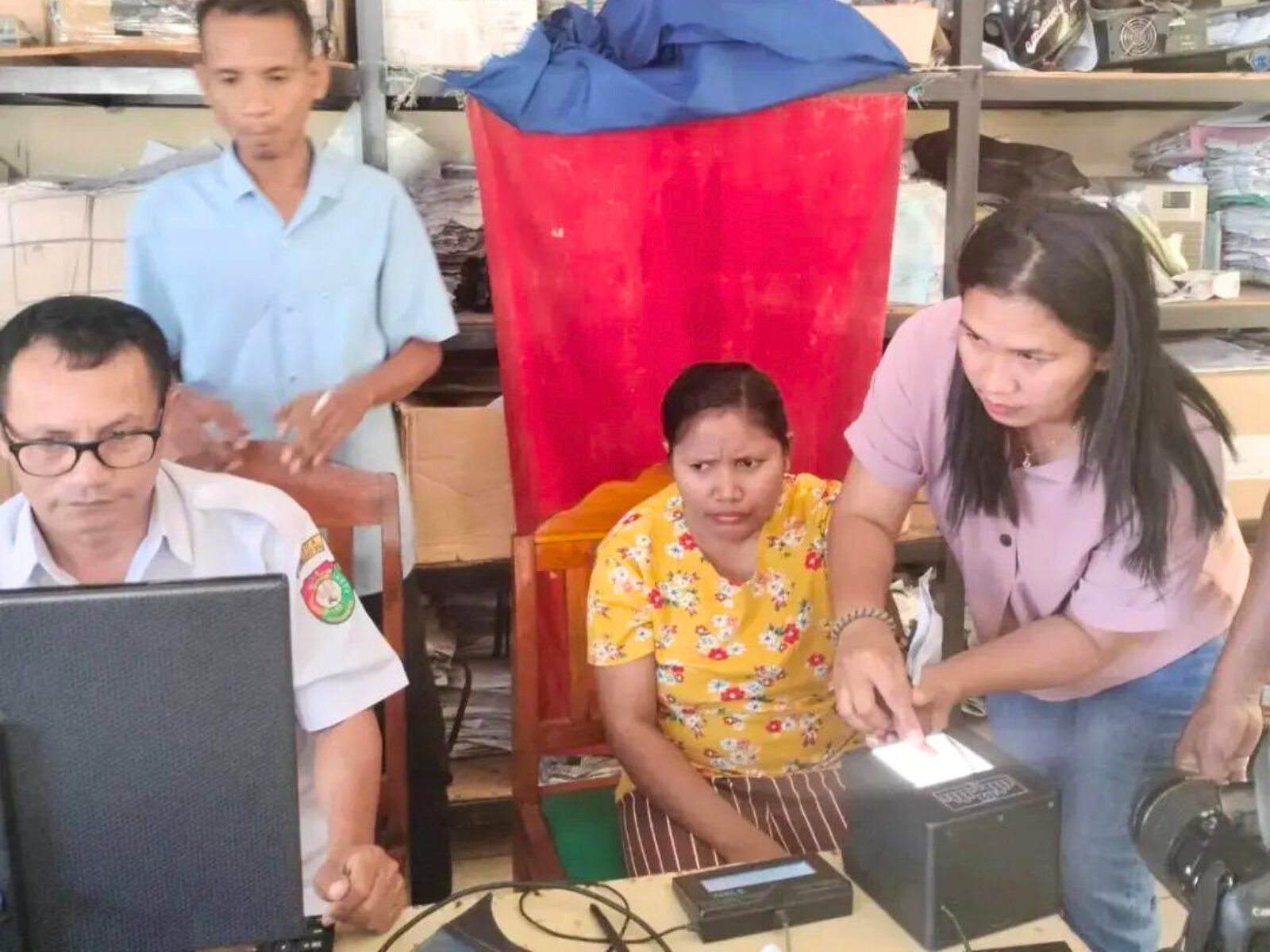
One of the most important achievements of the program was disability data collection in Kadi Wano Village—something that had never been done before. Through a process involving village officials and the community Self Help Group (SHG), 27 persons with disabilities were identified with different conditions: eight with psychosocial disabilities, three with sensory disabilities, and sixteen with physical disabilities.
This data then became the basis for policy change at the village level. In 2025, the Kadi Wano Village Government took a significant step by allocating BLT Dana Desa for 24 persons with disabilities. The remaining three could not receive the assistance because they were in the same Family Card (Kartu Keluarga) as other beneficiaries. Even so, the decision marked a historic milestone in the effort to build an inclusive village.
“We used to not know how to treat residents with disabilities,” said Kadi Wano Village Head Jufrison Sairo. “Now we are learning that they are also part of this village and have the same rights.”
For residents like Ester Mawo, a 34-year-old woman with a psychosocial disability, this policy has brought tangible change. Previously, Ester relied entirely on her family and had no access to social assistance. Since receiving BLT of IDR 300,000 per month, she has been able to meet basic needs such as food, soap, and sugar. Some other recipients have even begun using the funds to start small businesses or to support their children’s education.
When persons with disabilities received the BLT on 1 July 2025, they received seven months of payments at once—IDR 2,100,000 for the period January to July. More than financial support, this policy became a form of recognition that they are now acknowledged and included as legitimate members of the village community.
From Assistance to Systemic Change
This progress did not happen on its own. Intensive mentoring by YHS together with PRYAKKUM and INKLUSI played an important role in strengthening the capacity of the village government and encouraging dialogue between the disability group and policymakers. Through the DIGNITY program, village officials received training on disability rights and social inclusion principles, while SHG leaders were trained to communicate their community’s aspirations with confidence.
Advocacy by the SHG, along with tiered support from the district level, helped strengthen the village government’s commitment. The Kadi Wano Village Head, for example, took part in cross-regional learning activities and policy discussions that shaped a new understanding of the importance of inclusive governance.
Today, the change in Kadi Wano Village is no longer only about distributing BLT. It reflects a shift in perspective and policy: social justice does not mean treating everyone the same, but providing support based on needs. The DIGNITY program opened the space for this transformation, while the village government’s commitment ensures the change is truly rooted and sustained.
The story of Kadi Wano Village shows that social inclusion does not always start with major national policies. Sometimes, it begins with small steps at the village level—with the courage to collect data, to listen, and to recognize every resident, without exception.