
Jakarta, 24 September 2026 – INKLUSI and its partners are advancing efforts to strengthen elderly care through community-based services, caregiver training, and economic empowerment. In collaboration with the Ministry of Population and Family Development/BKKBN (Kemendukbangga/BKKBN), INKLUSI is also developing a module to strengthen the capacity of families and community cadres to provide long-term care.
These efforts respond to Indonesia’s transition towards an ageing population. Older people require interconnected services, while families and caregivers need the skills, resources, and access to services necessary to support them.
Kate Shanahan, Team Leader of INKLUSI, highlighted the importance of such support during a panel discussion at the High-Level Forum on Impactful and Sustainable International Partnerships for Population and Family Development, organised by Kemendukbangga/BKKBN.
The forum explored ways to strengthen partnerships to maximise the benefits of Indonesia’s demographic dividend through a life-course approach, including family development, increased productivity, and preparedness for an ageing population. The event was attended by the Australian Ambassador, representatives from UNFPA and UNICEF, and a number of international development partners.
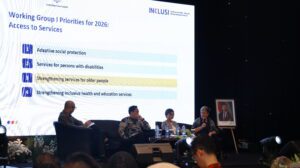
According to Shanahan, responsibility for elderly care involves families, caregivers, community-based services, and formal service providers. INKLUSI’s experience on the ground shows that linkages between these services remain limited. Strengthening caregiver capacity therefore needs to go hand in hand with expanding access to services.
“We also advocate for greater availability of elderly care support through both public and private services,” said Shanahan.
INKLUSI Partners Strengthen Community-Based Support
INKLUSI partners are implementing a range of initiatives that respond to the needs of older people and those who care for them.
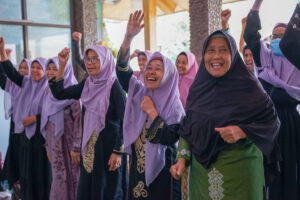
‘Aisyiyah provides elderly daycare services that combine social, health, learning, and recreational activities. The organisation also trains caregivers and provides community-based nursing support for older people living with chronic conditions.
PR YAKKUM strengthens the capacity of health workers through caregiver training. Meanwhile, PERMAMPU supports the economic empowerment of older women through Credit Union (CU) activities.
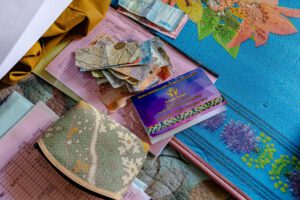
These initiatives demonstrate the diverse needs of older people, ranging from healthcare and social interaction to economic support. Meeting these needs requires elderly care services to be connected with support for families, caregivers, and service providers.
Bina Keluarga Lansia (BKL) and village cadres also play an important role in connecting older people and their families with information, education, and services. The module currently being developed by INKLUSI and Kemendukbangga/BKKBN aims to strengthen the skills of families and cadres in responding to long-term care needs.
Connecting Community Experience with Policy
Strengthening community-based services requires government coordination and the effective use of data. Budi Setiyo, Secretary of Kemendukbangga/BKKBN, noted that health data on older people collected through Posyandu can help the government map their needs and determine the respective roles of relevant ministries.
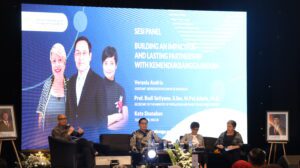
“Through Posyandu, the health conditions of older people can be documented and used as a basis for determining their needs,” said Prof. Budi Setiyo.
Collaboration among government, civil society organisations, and development partners creates opportunities to bring community-level experience to the regional and national levels. Through partner-led services and the joint development of the module with government, INKLUSI contributes to this process by bringing lessons from the field into policy discussions.
These lessons can inform the strengthening of more integrated policies and services, ensuring that older people receive support tailored to their needs while also strengthening the families and caregivers who support them.