
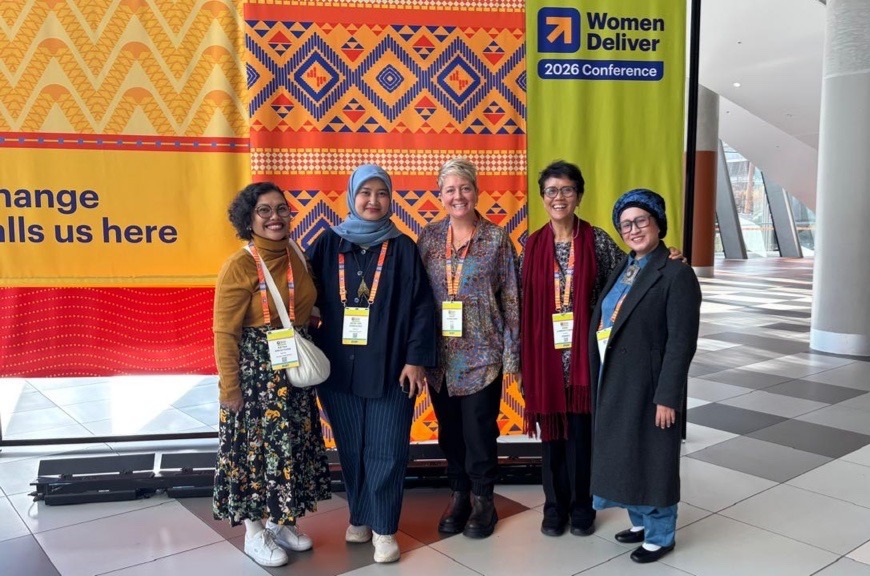
Naarm, 27–30 April 2026 — The experiences of rural women, women farmers, young women and grassroots communities in Indonesia were brought into the global conversation on gender equality at Women Deliver 2026 in Naarm (Melbourne), Australia.
Three representatives of INKLUSI Program partners attended the conference: Dina Lumbantobing from the PERMAMPU Consortium, Ufi Ulfiah from Lakpesdam PBNU and Indri Sri Sembadra from the KAPAL Perempuan Institute. They shared lessons from their work to empower women in Indonesia while building connections with women’s movements from around the world.
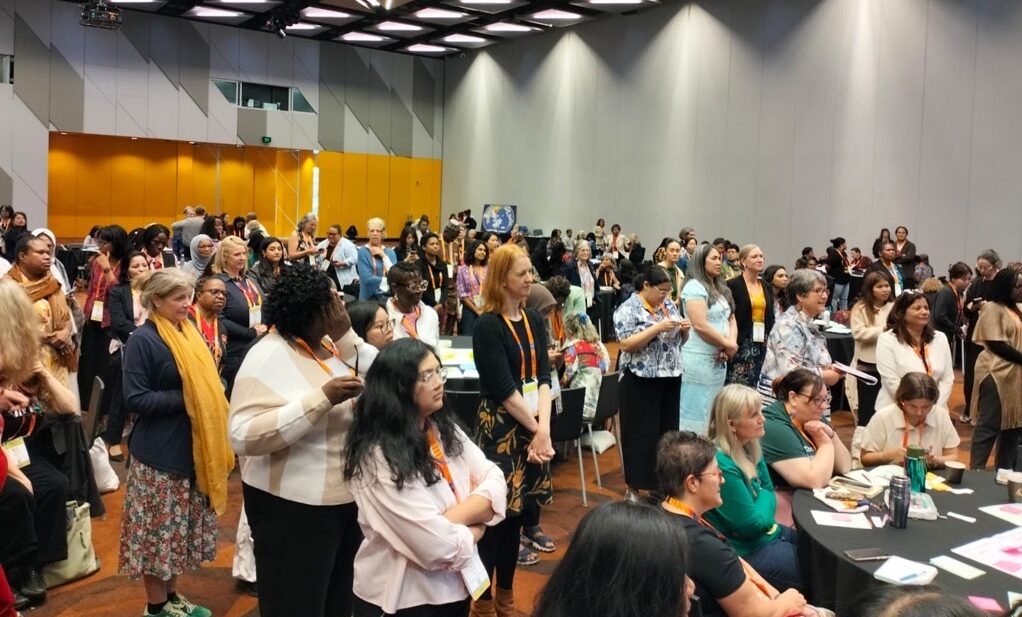
Women Deliver is one of the world’s largest conferences on gender equality, the rights of women and girls, and sexual and reproductive health and rights. Under the theme Change Calls Us Here: to Gather, to Strategise and to Shift Power, this year’s conference brought together 6,123 participants from 189 countries.
More than 110 sessions explored issues including climate justice, gender-based violence, sexual and reproductive health and rights, the care economy, funding for women’s movements, inclusive data, and artificial intelligence from gender and feminist perspectives. The conference also highlighted the rise of anti-rights movements and anti-gender sentiment, as well as the importance of community and youth leadership in advancing gender equality.
INKLUSI Partners Gain Recognition for Their Grassroots Approaches
For Dina Lumbantobing, Women Deliver reinforced her confidence that approaches grounded in the strategic needs of rural women and women farmers remain relevant to global conversations. Their experiences are connected to the economic structures, policies and gender inequalities that affect women in many parts of the world.
“This conference validated PERMAMPU’s work and gave me greater confidence in sharing our approach to women’s empowerment. The experiences of the groups we support are closely connected to global conversations on the care economy, food security and gender justice,” Dina said.
Discussions on the care economy, for example, helped demonstrate the clear connection between PERMAMPU’s work and the burden of unpaid care work that continues to fall disproportionately on women. This burden affects women’s health, income, available time and opportunities to participate in decision-making.
Ufi Ulfiah from Lakpesdam PBNU used the conference to build connections with organisations working on women’s leadership, technology and young people.
Ufi plans to develop a learning platform within Nahdlatul Ulama to support women in taking on future leadership roles. Women Deliver provided an opportunity to discuss the idea, learn from the experiences of other organisations and identify potential partners for collaboration.
“Differences in social, cultural and religious contexts are not barriers to working together. On the contrary, diverse experiences can enrich our strategies for expanding women’s leadership,” Ufi said.
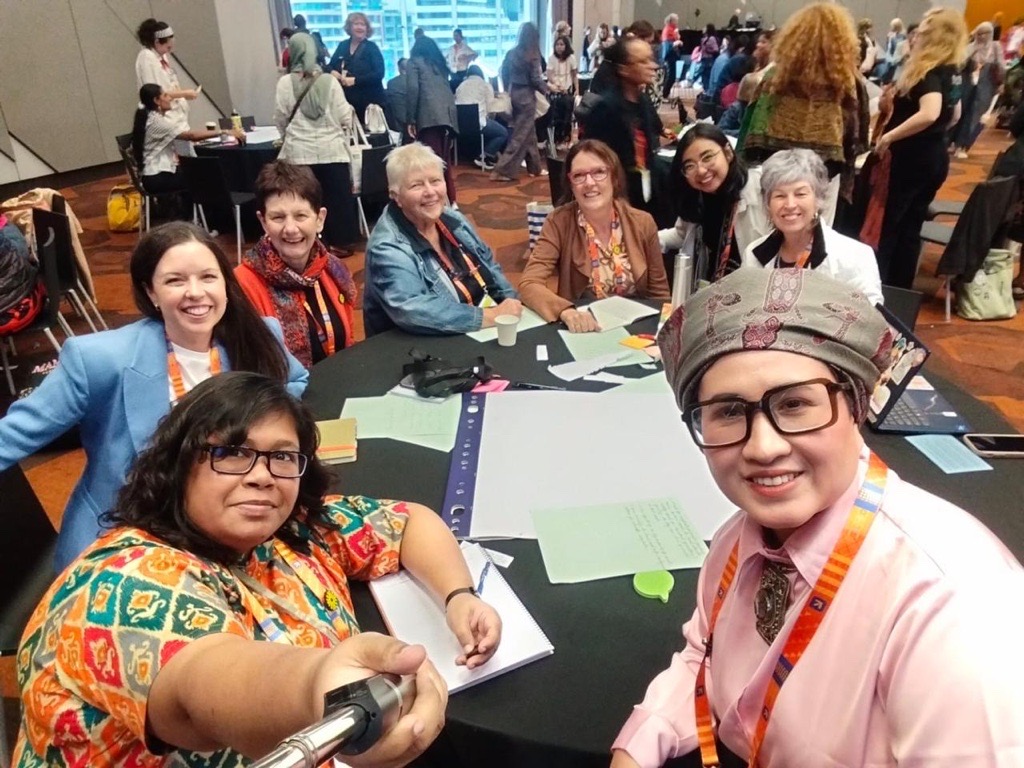
Meanwhile, Indri Sri Sembadra from the KAPAL Perempuan Institute observed an important shift in how the global women’s movement designs programs and makes decisions.
“Women Deliver made me realise that the global women’s movement is increasingly changing the way it works, shifting from top-down approaches towards leadership driven by communities and grassroots women,” Indri said.
She also noted the increasingly close connections between women’s issues and climate change, digital technology, conflict, reproductive health and the care economy. These lessons strengthened KAPAL Perempuan’s commitment to promoting the participation of young women and grassroots women in decision-making.
Discussions at Women Deliver underscored that women, Indigenous Peoples, young people, persons with disabilities and marginalised groups should not merely be invited to participate. Their knowledge and experiences must inform how agendas are set, programs are designed and decisions are made.
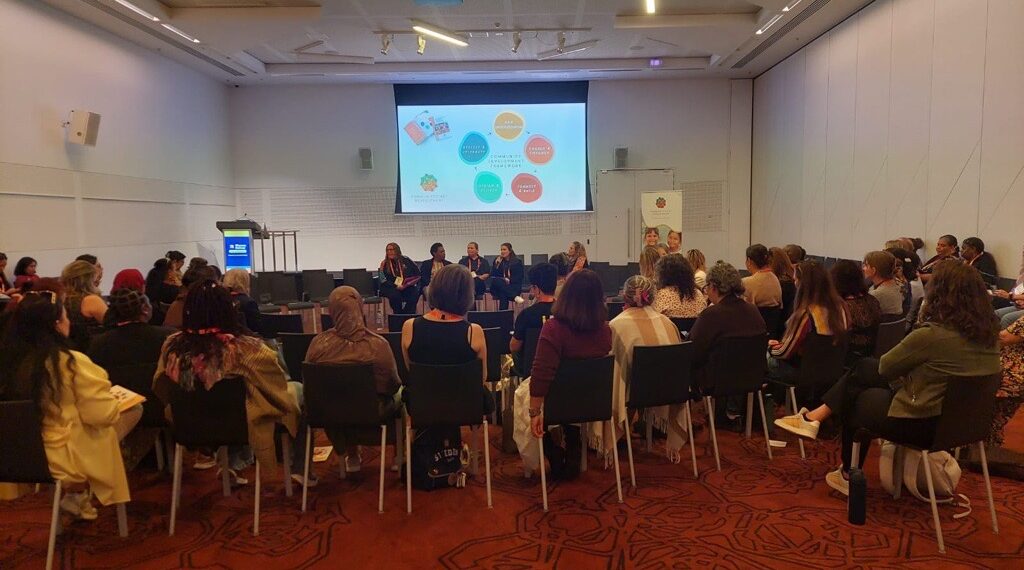
The partners’ participation was part of the INKLUSI Program’s support for strengthening the capacity, networks and global participation of Indonesian civil society organisations. The knowledge and connections gained through the conference are expected to inform strategies and collaborations that are increasingly relevant to the communities they support.
“Women Deliver 2026 brought together thousands of gender equality advocates to share achievements and challenges in the global movement for equality. The conference underscored the importance of locally led approaches, stronger networks from the local to the global level, and youth leadership,” said INKLUSI Team Leader Kate Shanahan.
“For INKLUSI, the participation of our partners was also important in ensuring that the experiences and leadership of Indonesia’s grassroots women are part of this global conversation,” she added.