
Behind the walls of the Class IIB Women’s Correctional Facility in Bengkulu, hope is quietly growing. The women serving time here are no longer seen merely as inmates, but as individuals with rights, potential, and a future. Through the INKLUSI Program, the Indonesian Planned Parenthood Association (PKBI) Bengkulu provides services that directly respond to their real needs—ranging from healthcare and counseling to skills training and support for motherhood.
This effort is a powerful reminder that inclusive development must also reach those behind bars.
PKBI Bengkulu applies a rights-based approach to ensure women in prison receive services that are dignified, safe, and appropriate. These include access to healthcare, mental health support, and parenting education for mothers undergoing incarceration.
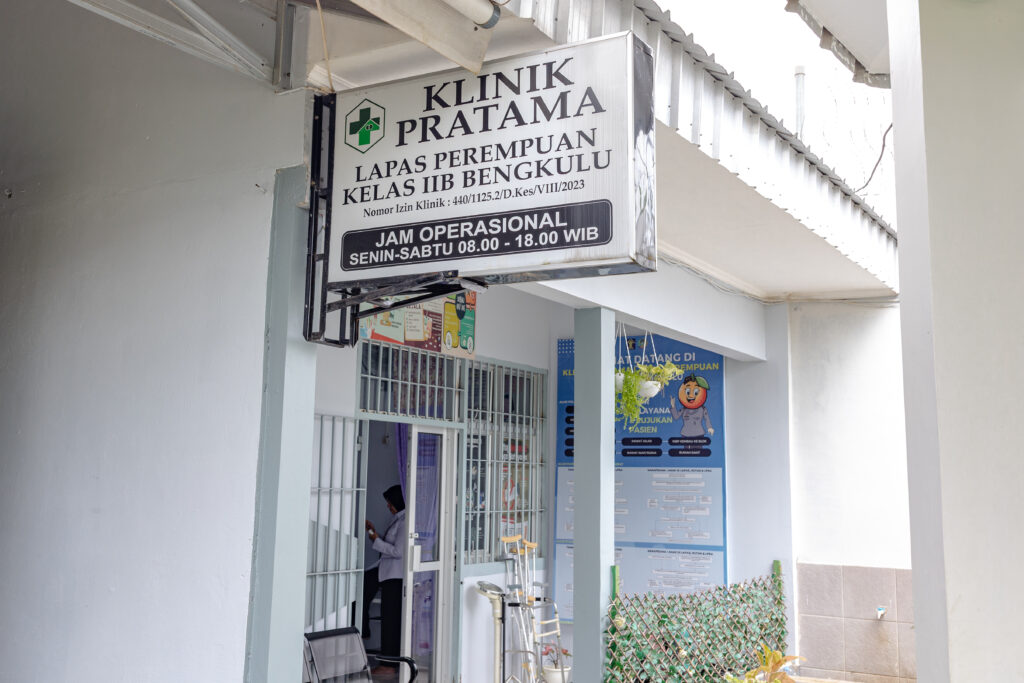
Listi (not her real name), one of the inmates who experienced pregnancy during her legal process, directly felt the impact of this approach. She received regular medical check-ups, guidance, and information that helped her navigate her pregnancy safely and with greater confidence.
“This support helped me feel calmer,” she said. “I feel stronger and more optimistic because I can stay close to my child. I don’t feel alone.”
After giving birth, Listi was able to care for her baby in a healthier and more supportive environment. For her, this support provided the strength to continue playing her role as a mother, even under the constraints of incarceration.
Beyond physical health services, PKBI Bengkulu also facilitates counseling sessions to support the psychological resilience of women in prison. With guidance from trained counselors, these women are given a safe space to share their stories, manage their emotions, and build mental strength.
Mutiara, one of the counseling participants, shared her experience: “I’ve learned a lot that I can apply once I’m released.” Counseling sessions help them better navigate life inside the facility while preparing for reintegration into society.
PKBI Bengkulu also supports emotional connection between inmates and their families through visits, video call facilities, and a program called Joyful Saturdays with Family. These moments offer meaningful time with loved ones in a more relaxed setting, strengthening emotional bonds and motivating them to work toward a better future.
Supporting Social Reintegration for Women in Prison
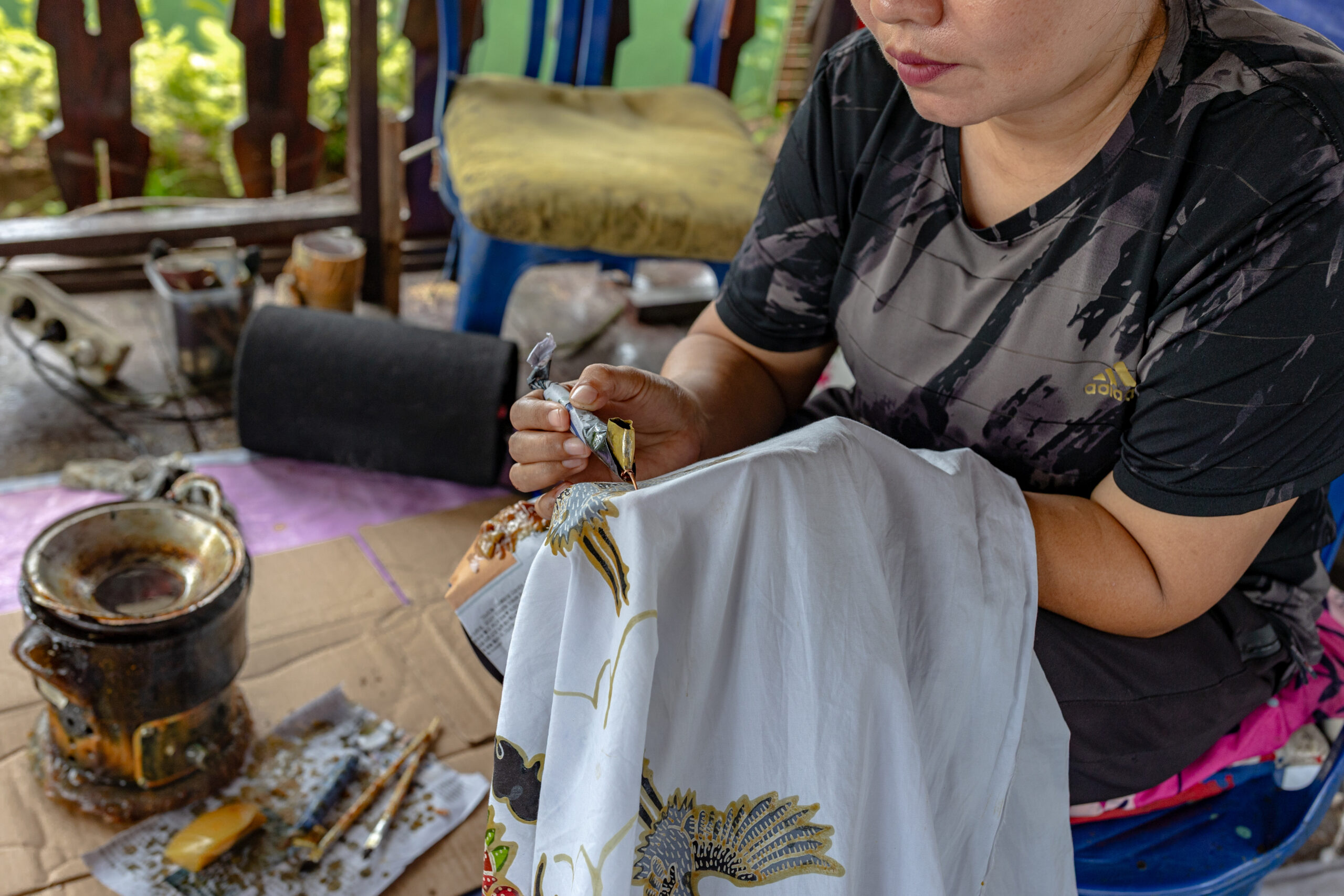
In addition to health services, the rights of women in prison are upheld through access to skills-building programs. With support from various partners, including PKBI, inmates participate in vocational training such as culinary arts, batik-making, sewing, and beauty salon skills as part of their rehabilitation process.
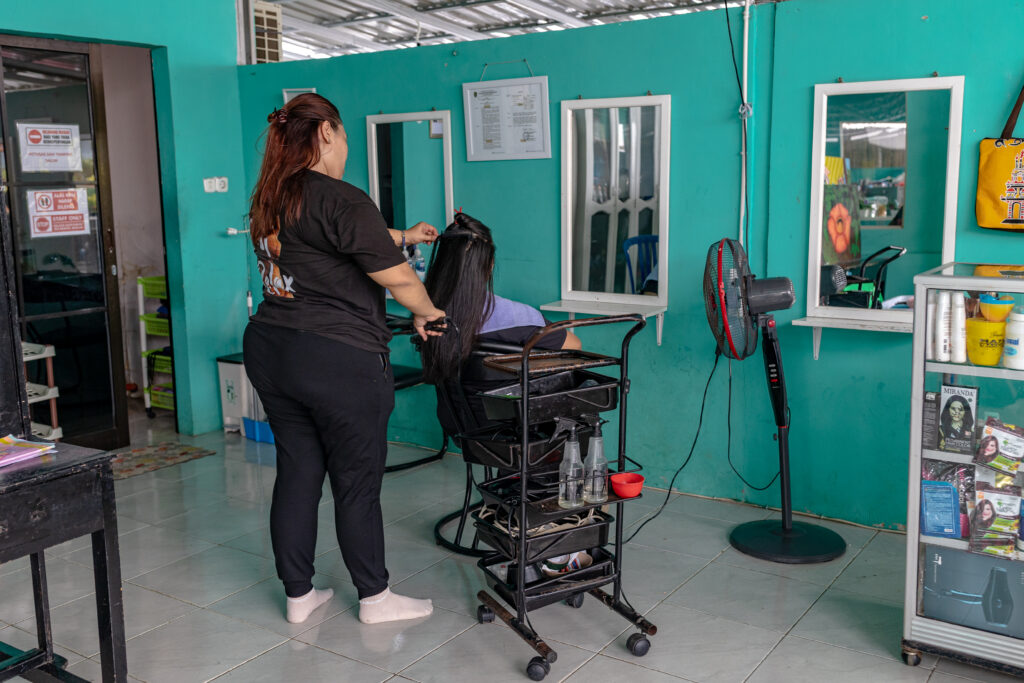
These trainings equip inmates with practical skills they can use upon release. Not only do they help boost confidence, but they also open up opportunities for employment and self-employment post-incarceration.
Some of the products made by the women are sold, generating income in the form of wages or bonuses. This income can be used for personal needs, to support their families, or saved as start-up capital—supporting both economic independence and social reintegration.
Fulfilling the rights of women in prison is an essential part of promoting inclusive and just development. Through the INKLUSI Program, PKBI continues to strengthen collaboration with multiple stakeholders to ensure access to healthcare, mental health services, skills training, and parenting support.
This sustained support is expected to strengthen the social reintegration process and economic independence of incarcerated women—ensuring that no one is left behind in the journey toward inclusive development.