
INKLUSI LOGO Full Color Stacked - English

Implementing Partners

‘Aisyiyah

Aisyah Logo

About ‘Aisyiyah

‘‘Aisyiyah is an Islamic civil society organisation under Muhammadiyah, focused on empowering marginalised women. Founded on 19 May 1917, it now operates in more than 35 provinces.

Through INKLUSI, ‘Aisyiyah strengthens women’s leadership to improve access to health and economic opportunities — including stunting prevention, sexual and reproductive health, child marriage prevention, and economic empowerment — using a GEDSI approach.
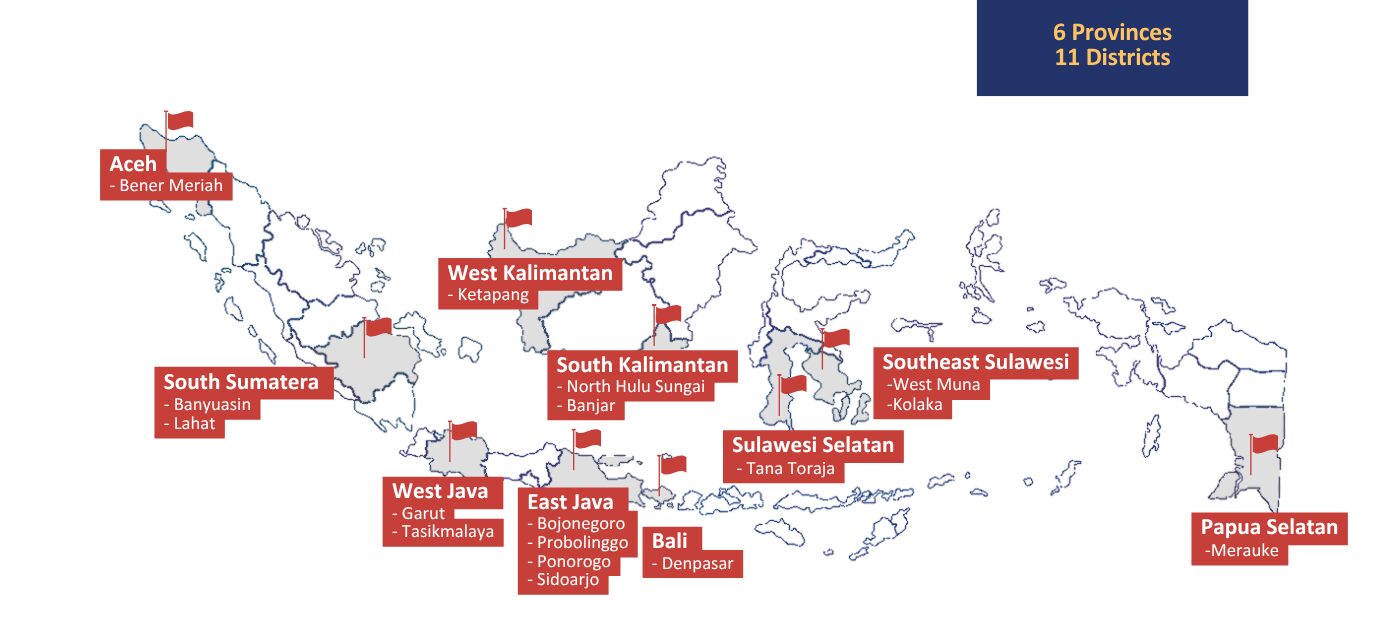
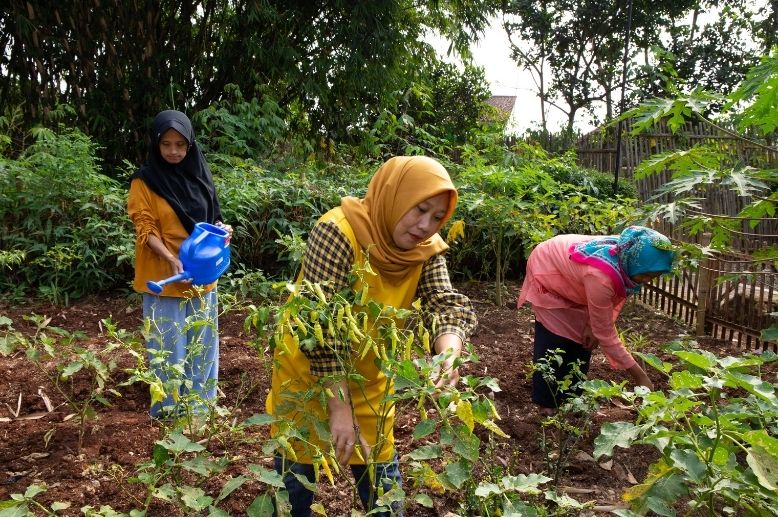
Partners and Areas of Work

Activities

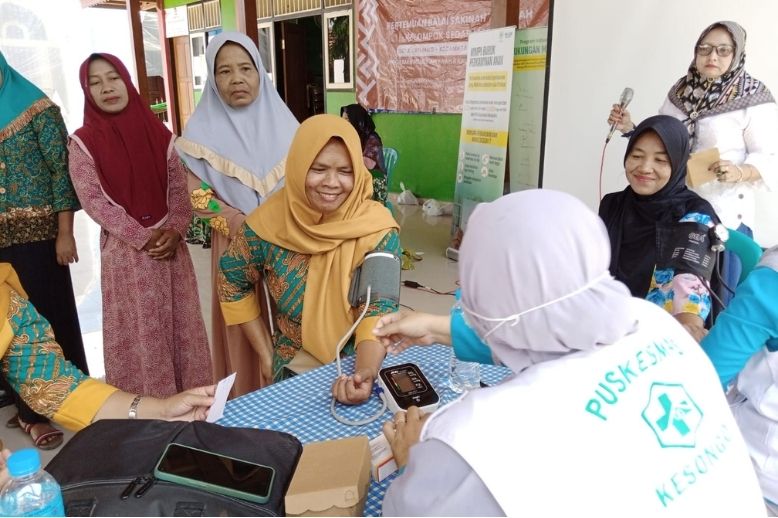
Balai Sakinah 'Aisyiyah (BSA)

A community-based service centre providing education, consultation, complaint handling, and assistance related to sexual and reproductive health and rights, stunting, child marriage prevention, leadership, and economic empowerment.

‘Aisyiyah Family Economic Enterprise Development Movement (BUEKA)

Strengthening the economic capacity of poor women and persons with disabilities through training, group enterprises, and MSME development.

Access to Education and Economic Opportunities for Persons with Disabilities

Special schools (SLB) at senior high school level, work readiness programmes, and inclusive entrepreneurship for persons with disabilities.

Elderly Care Home

Health, psychological, and economic services for older persons through BSA Lansia, BUEKA Lansia, and Day Care.

‘Aisyiyah Nutrition House

Nutrition education, community engagement, and the involvement of husbands/fathers to support stunting reduction and food security.

Youth Reproductive Health Services and Education (Like-R)

Education on sexual and reproductive health and rights and stunting prevention for vulnerable adolescents, including persons with disabilities and those in remote areas.

Handling Cases of Violence

The Legal Aid Post (Posbakum) provides free legal services for the prevention, handling, and assistance of sexual violence and child marriage cases.

Work Readiness and Entrepreneurship for Persons with Disabilities

In collaboration with special schools (SLB), the Manpower Office, and industry to expand access to internships, employment, and entrepreneurship for persons with disabilities in line with Law No. 8/2016.

Program Focus

Stunting reduction
Fulfilment of sexual and reproductive health and rights (SRHR)
Economic empowerment
Child marriage prevention
Women leadership strengthening

Programme Strategies

Institutional strengthening
Strengthening women’s leadership
Strengthening groups and empowerment at community levels
Strengthening networks and policy advocacy
Women’s knowledge management

Expected Outcomes

Marginalised groups are active in stunting reduction, prevention of child marriage, and fulfillment of sexual and reproductive health rights (SRHR).
Members of Economic Empowerment Groups benefit from the programme.
Government services are responsive to community needs (stunting, child marriage, SRHR).
Policies and budgets support women's issues with a GEDSI perspective.

Achievement (as of December 2025)

136

BSAs established and serve marginalised communities.

> 27,900

marginalised people have accessed services from BSA.

> 28,800

marginalised people accessed government and other external services.

> 4,200

marginalised people have been trained to engage in public decision-making processes.

> 3,000

marginalised people actively engage in public decision-making forums.

130

community-based economic groups have been established

> 2,500

marginalised people have become members of community-based economic groups.

Policy advocacy

  • Involved in drafting the Ministerial Regulation on the Prevention of Violence in Education Units
  • Regional Action Plans (RAD) on Child Marriage Prevention were drafted in West Muna and Probolinggo
  • Village Regulations on child marriage prevention have been issued in 7 districts/cities
  • Local policies on inclusive education, nutrition, stunting, and employment have been advanced

Handling of violence cases

  • Referral mechanisms for violence cases involving persons with disabilities were developed
  • 27 Legal Aid Posts (Posbakum) are operating, 7 of which are accredited by the Ministry of Law and Human Rights
  • Guidelines for STRANAS PPA practices were prepared jointly with INKLUSI partners

Inclusive participation in development

  • Established village deliberation forums to ensure the participation of women and vulnerable groups in village planning
  • Encouraged the participation of marginalised groups in elections through political education and inclusive elections

Access to inclusive education

  • 12 special schools (SLB) developed in Tasikmalaya, Garut, Ponorogo, Sidoarjo, and Lahat
  • Empowered Elderly Schools established in 20 villages, with >400 participants

Economic and employment access

  • Establishment of cooperatives and access to financing for women, persons with disabilities, and marginalised groups
  • Skills and entrepreneurship training
  • Partnerships with the private sector and universities for internships and employment opportunities.

Community-based groups

  • BSA for older persons and BSA for persons with disabilities were established in assisted areas
  • Community economic groups established, including BUEKA, farmer groups, fisher groups, and cooperatives
  • Farmer groups received support in the form of greenhouses, seeds, livestock, and business capital

Access to essential services

  • Social protection, civil registration, health services, stunting and child marriage prevention, and violence response
  • Assistance with wheelchairs, health costs, and decent housing renovations

Subscribe to INKLUSI Newsletter

Sign up for INKLUSI's newsletter to stay updated on our programs and advocacy efforts. Together, we can build a more inclusive and equitable society!